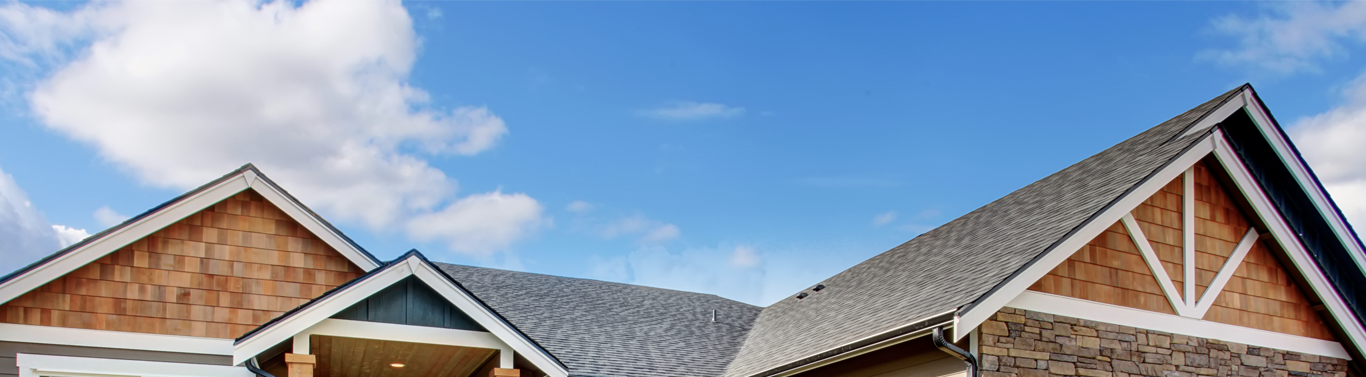
Vinyl is the most installed residential siding in the United States — and in the Chicago climate, it's earned that position. Modern vinyl siding is dimensionally stable across the full -20°F to 110°F temperature swing we see annually, resists hail and wind damage, holds color through modern UV stabilization, and never needs paint. When properly installed with correct flashing and weather barrier, a quality vinyl system lasts 30 to 40 years with effectively zero maintenance beyond an occasional rinse.
Dynasty Restoration installs standard and insulated vinyl from the major manufacturers — CertainTeed, Mastic, Variform, and Royal Building Products — in a full range of profiles: traditional horizontal lap, Dutch lap, beaded, vertical board-and-batten, and shake/shingle accents. We match profile, color, and trim to your home and to any HOA design requirements.
Vinyl Siding Profiles
Traditional Horizontal Lap
The Midwest classic — 4", 5", or 6" exposure. Works on virtually any architecture from bungalow to farmhouse.
Dutch Lap
A horizontal profile with a stepped top edge, adding a subtle shadow line and traditional depth. Popular on colonial and cape-style homes.
Beaded
A rounded bead along the bottom of each course — the premium traditional look, nodding to historic wood siding.
Vertical Board-and-Batten
Tall vertical panels with raised batten strips. A strong accent on gables, entryways, and modern farmhouse elevations.
Shake & Shingle
Vinyl shake and shingle panels for gable accents and full-surface textured applications. Looks like cedar, lasts like vinyl.
Insulated Vinyl
Rigid foam backer bonded to the panel. Adds R-value, dampens sound, and boosts impact resistance on exposed elevations.
What Makes a Vinyl Install Last 40 Years
A vinyl siding system fails at the wall behind it long before the vinyl itself wears out. That's why our install process prioritizes the substrate:
- Full tear-off of old siding to verify sheathing and framing condition
- Replacement of any rotted sheathing before new siding goes up
- New house wrap (tyvek-style or equivalent) with proper shingle-style overlaps
- Self-adhered flashing at every window, door, and penetration
- Correct fastener engagement — not too tight, not too loose — so panels can move with temperature
- Proper J-channels, starter strips, and corner trims for clean, square line
- Fastening to manufacturer high-wind spec (usually 110–130 mph)