Are Class 4 Impact-Resistant Shingles Worth It in the Chicago Suburbs? (Duration STORM and Duration FLEX)
Every spring, as hail season returns to the Chicago suburbs, we field the same question from homeowners in Crystal Lake, Hoffman Estates, and everywhere in between: are Class 4 impact-resistant shingles actually worth the upgrade? It is a fair question, because the answer involves real money on both sides of the equation. With Illinois hail events most common from May through September, April is exactly the right time of year to think it through carefully before the first storms arrive.
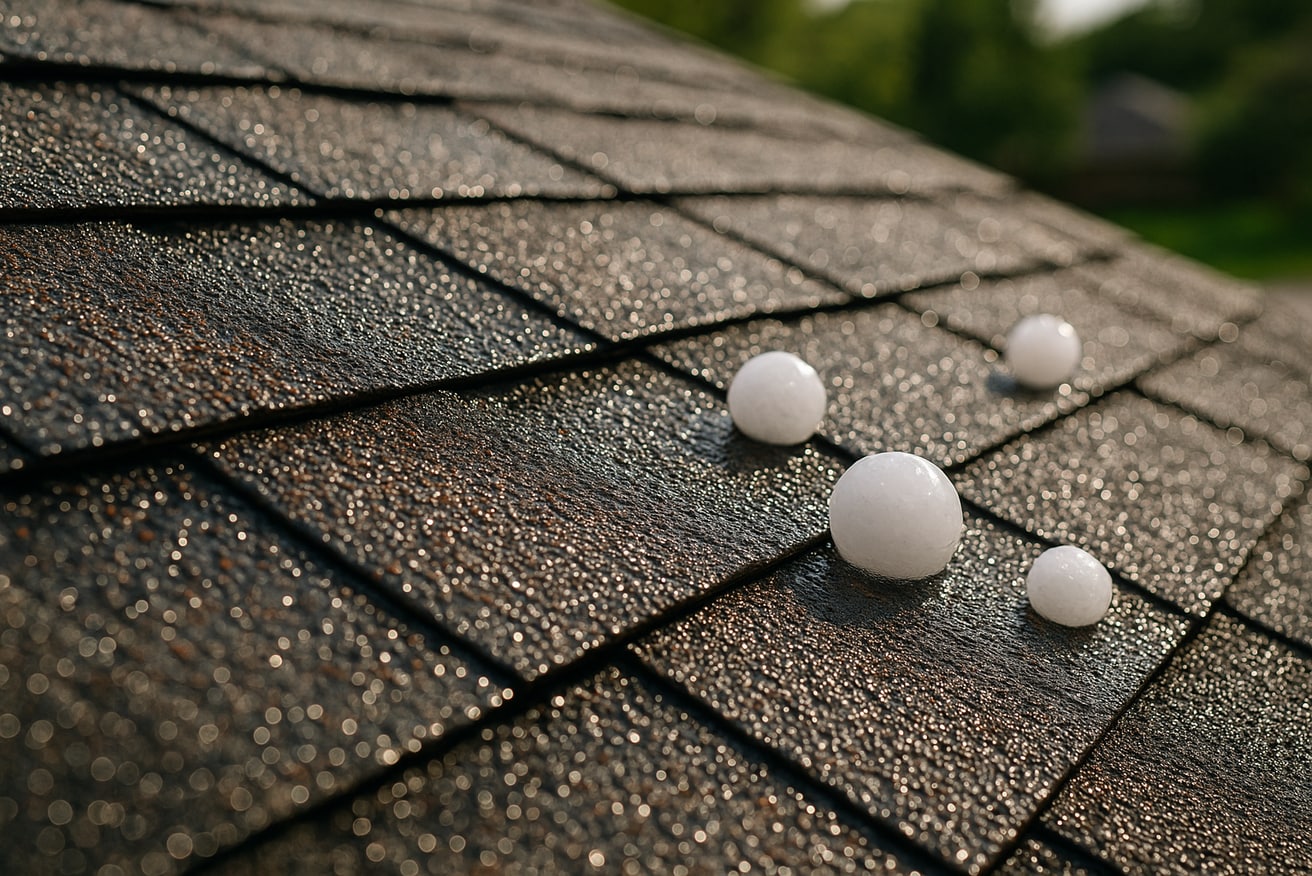
Class 4 refers to UL 2218, a standardized impact test in which steel balls are dropped onto shingles from set heights to simulate hailstones striking a roof. A shingle that withstands the largest ball without cracking through earns Class 4, the highest impact rating available. It is not a marketing phrase a manufacturer can simply claim for itself; it is an independent test standard, and it is the rating insurance companies look for when they offer premium discounts for impact-resistant roofing.
Owens Corning makes two Class 4 versions of its popular Duration architectural shingle, and Dynasty Restoration installs both. Duration STORM is essentially the Duration shingle engineered to meet the Class 4 standard, keeping the SureNail nailing-zone reinforcement and 130 mph wind rating homeowners already know. Duration FLEX takes a different route: its asphalt is modified with SBS polymers, a rubberizing process that lets the shingle flex and absorb an impact rather than crack under it. Both earn the same Class 4 rating; they simply get there in different ways, and we can walk you through which suits your roof and budget.
The financial case starts with your insurance bill. In Illinois, Class 4 shingles can qualify homeowners for insurance premium discounts, and over the two decades or more a roof should serve you, those savings accumulate year after year. Discounts vary by carrier and policy, so it is worth a call to your agent before you decide, but for many suburban homeowners the reduction meaningfully offsets the cost of the upgrade over the life of the roof.
The math is most compelling when you are already replacing a roof, especially after a hail claim. The decking work, underlayment, flashing, and labor cost the same either way; stepping up to a Class 4 shingle is a modest premium on top of a project you are doing regardless. Set that against potential insurance savings, fewer future claims, and the deductible you pay every time hail forces another replacement, and the incremental cost is often the cheapest storm protection available in towns like Schaumburg that seem to sit in the path of every June storm cell.
A few honest caveats belong in any straight answer. Class 4 means the shingle resists damage far better than standard products; it does not mean invincibility, and a severe enough storm can damage any roof ever built. Some insurers also attach cosmetic damage exclusions to discounted policies, meaning they may decline to pay for hail marks that do not cause leaks or functional damage. Read that language carefully with your agent so the discount does not arrive with a surprise attached years later.
If your roof is aging, or you suspect a past storm left damage behind, the decision deserves an informed starting point. Dynasty Restoration offers free inspections across the northwest suburbs, and we are glad to price your project both ways, standard architectural and Class 4, so you can weigh the difference with real numbers instead of guesswork.