James Hardie Fiber Cement vs. LP SmartSide — Which Siding Handles Midwest Storms Better?
When homeowners in Arlington Heights, Barrington, or Northbrook decide it's time to move beyond vinyl siding, the conversation usually narrows to two names: James Hardie fiber cement and LP SmartSide engineered wood. Both are genuine premium upgrades, both carry long manufacturer warranties, and both look sharp on a suburban home. But they respond to Midwest weather in different ways, and understanding those differences makes the decision much easier.
James Hardie siding is fiber cement, a blend of cement, sand, and cellulose fibers that simply does not burn, rot, or interest insects. That composition is its calling card. Woodpeckers ignore it, carpenter ants can't chew it, and a stray ember from a grill or fire pit won't ignite it. Hardie's ColorPlus Technology finish is applied at the factory under controlled conditions, which means more consistent color and better adhesion than painting in the field. The product carries a 30-year limited warranty on the siding itself and a 15-year warranty on that factory finish.
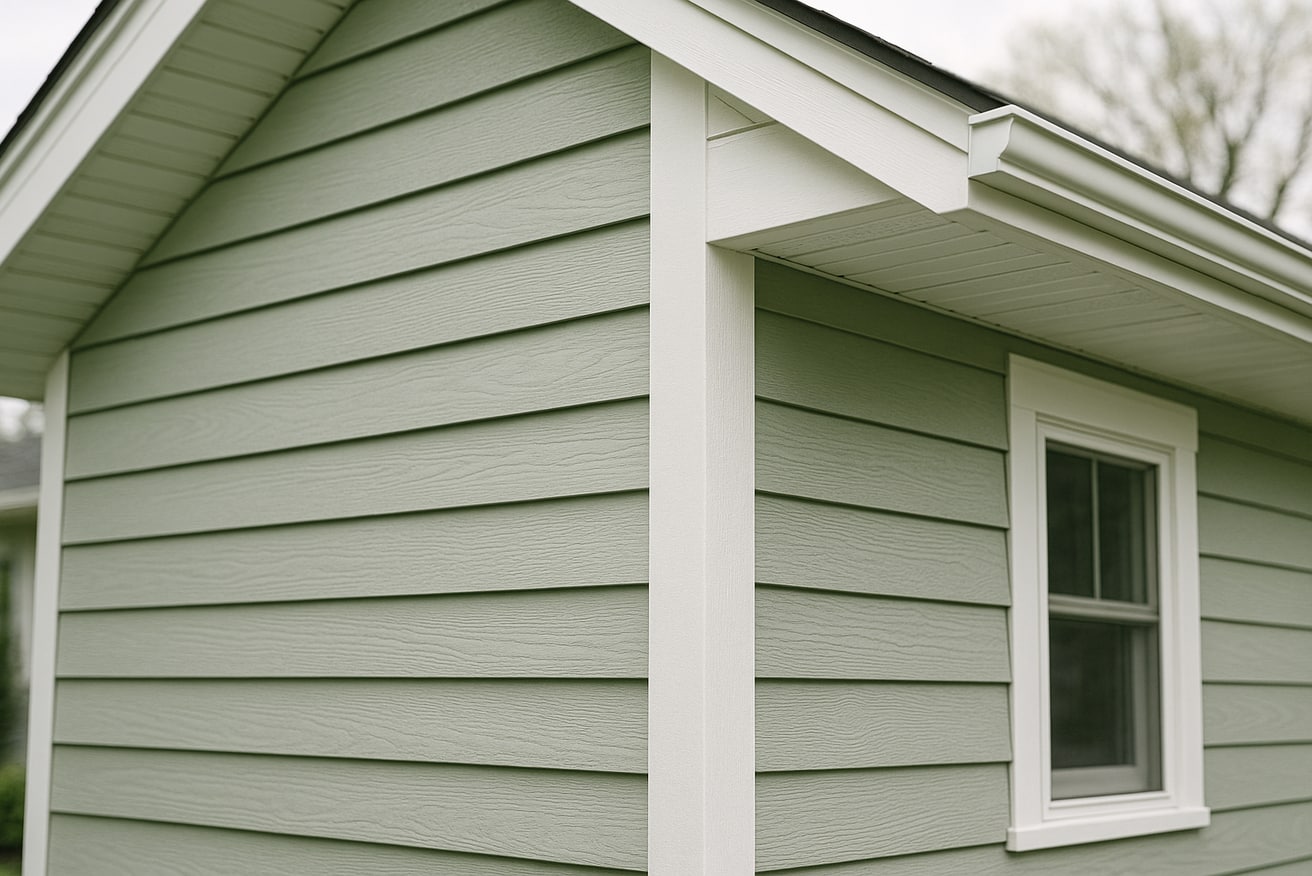
LP SmartSide takes a different approach. It's engineered wood, made from wood strands treated and bonded with resins, then formed into boards that are remarkably tough and noticeably lighter than fiber cement. That lighter weight makes the boards easier to handle and install, and the product line carries a 50-year limited warranty, one of the longest you'll find anywhere in the siding business. SmartSide also comes in long lengths with the texture of real cedar grain, which gives a finished wall clean lines and fewer visible seams.
Where the two really diverge is impact resistance, and around here that matters. Hail is a fact of life in the Chicagoland suburbs from late spring through early fall, and fiber cement, for all its strengths, is a cement-based product. A hard, direct hail strike can chip or crack it. SmartSide's engineered wood composition has some give, so it tends to absorb those same hits without fracturing. If your home sits on an open, exposed lot that has taken hail before, that difference deserves real weight in your decision.
On the other side of the ledger, Hardie's fire resistance and complete immunity to rot and pests are advantages engineered wood can't fully match, and many homeowners simply prefer the crisp, substantial look of fiber cement boards on the wall. There is no universally right answer here. The honest summary is that SmartSide handles impact better and carries the longer warranty, while Hardie is the more inert material with a baked-on finish that holds its color beautifully year after year.
And here is the part that matters more than the brand on the box: most siding failures in our area have nothing to do with the panel itself. They come from water getting behind the siding through missing house wrap or careless flashing. That's why every Dynasty Restoration siding project includes full house wrap, integrated window flashing, and fascia and soffit work as standard practice, no matter which product you choose. A premium board installed over a poorly prepared wall is still a poorly protected house.
If you're weighing Hardie against SmartSide for a home in the northwest suburbs, the best next step is to see both products side by side and talk through how your lot, your budget, and your priorities line up. Dynasty Restoration is happy to walk through samples of each and provide a free estimate, so you can make the call with real information in hand rather than marketing brochures.