Storm-Ready Replacement Windows — What Pella, Andersen, and Marvin Offer Suburban Homeowners
January has a way of exposing every weak window in a house. The drafts you could ignore in October become obvious when the wind chill drops below zero, frost blooms on the interior glass, and rooms in Glenview and Deerfield homes that felt fine in fall suddenly need a space heater. If that sounds familiar, winter is actually the ideal time to figure out what your windows are telling you.
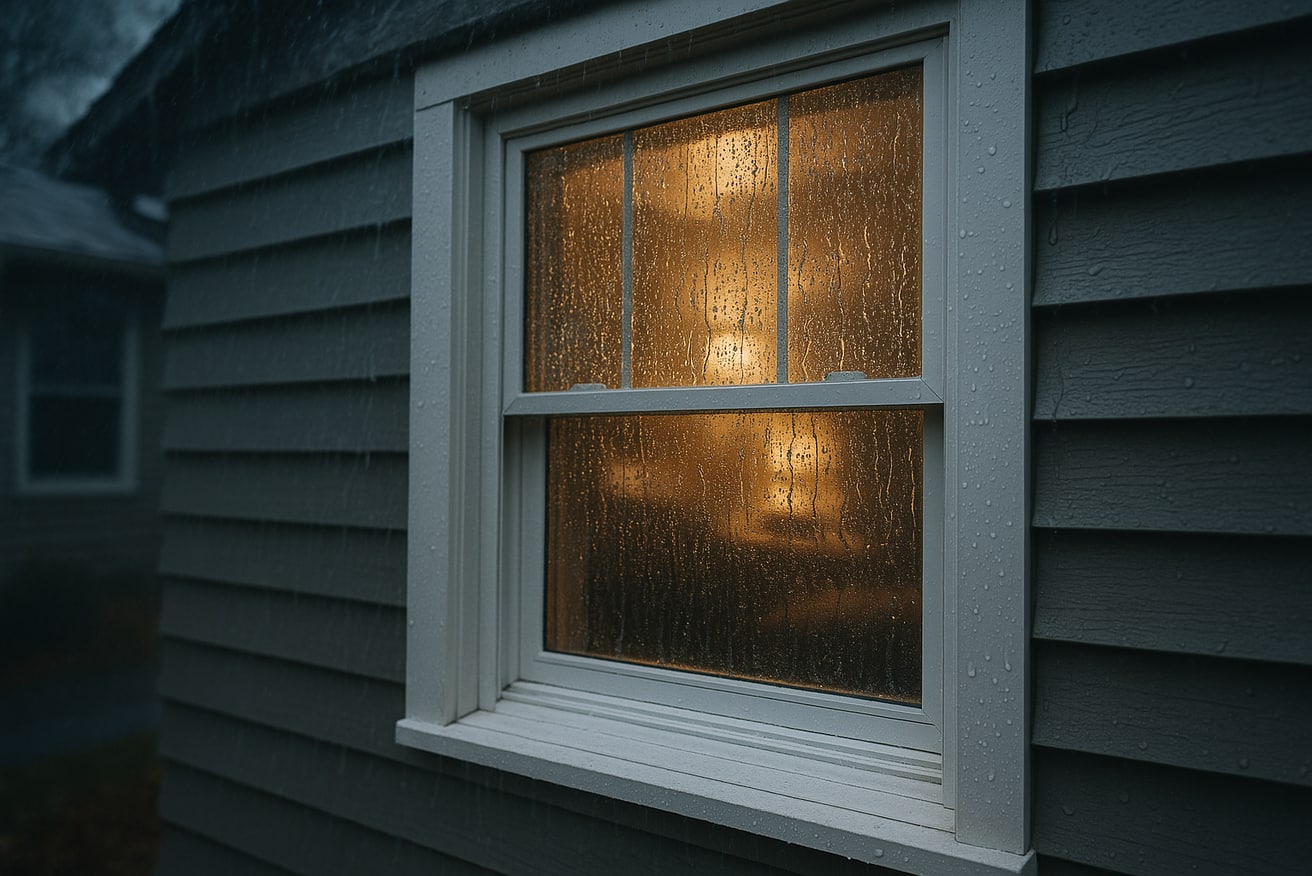
One symptom deserves special attention: fog or condensation trapped between the panes of glass. That haze means the seal on the insulated glass unit has failed and the insulating gas between the panes has escaped. No amount of cleaning will fix it, because the moisture is inside the sealed unit itself. A fogged window is still keeping out the rain, but it has quietly stopped doing much of its insulating job, and you pay for that loss on every heating bill without ever seeing a line item for it.
Storms are often the hidden culprit behind window problems. Hail and wind-blown debris crack glass outright, hail dents aluminum cladding on clad-wood windows, and powerful gusts can shift a frame just enough to break the seal or open a gap where wind-driven rain sneaks in around the edges. Water intrusion at the frame is the sneakiest failure of all, because it rots the surrounding wall long before you see a stain inside. If a summer storm passed through your neighborhood and your windows started misbehaving afterward, the two events are probably related, and that connection is worth documenting.
When it's time to replace, frame material is the first big decision. Dynasty Restoration installs vinyl, fiberglass, and clad-wood windows from Pella, Andersen, Marvin, and several well-regarded mid-market vinyl manufacturers. Vinyl offers the best value and needs essentially no maintenance. Fiberglass is stronger and exceptionally stable through our dramatic temperature swings, so seals stay tight as the seasons change. Clad-wood gives you a warm, paintable wood interior with a tough exterior skin that stands up to weather.
Style matters for storm performance too. Casement windows, the kind that crank outward, seal tightest against wind-driven rain because closing the sash compresses it against the gasket all the way around; wind pressure actually pushes the sash tighter against the seal. And whatever style you choose, look for the ENERGY STAR label for our climate zone. Chicagoland sits in Zone 5, where qualifying windows need a U-Factor of 0.27 or lower, a meaningful benchmark for keeping January heating bills in check.
Here's something many homeowners in Mount Prospect and the surrounding suburbs don't realize: if last year's storms damaged your windows, they can be included in an insurance claim right alongside the roof, siding, and gutters. Storms rarely damage just one part of a house, and a claim that documents the whole exterior at once often restores far more than a roof-only claim would. Cracked glass, hail-dented cladding, and frames knocked out of square are all legitimate storm damage, and they deserve the same careful documentation the shingles get.
If your windows fogged up, frosted over, or let the drafts in this winter, it costs nothing to find out where you stand. Dynasty Restoration offers free estimates on replacement windows and free storm damage inspections, and we're glad to help you sort out which windows are merely tired and which ones a storm actually broke.