
The Hidden Dangers of Improper Humidity Levels in Your Home
When it comes to keeping your home comfortable, most people think about heating, cooling, lighting, and maybe even the furniture arrangement. But there's another important factor that often gets overlooked—humidity. The amount of moisture in the air inside your home plays a major role in not just how comfortable it feels, but also in your health and the condition of your home itself. When humidity levels are too high or too low, it can lead to issues that go well beyond just feeling a little sticky or dry.
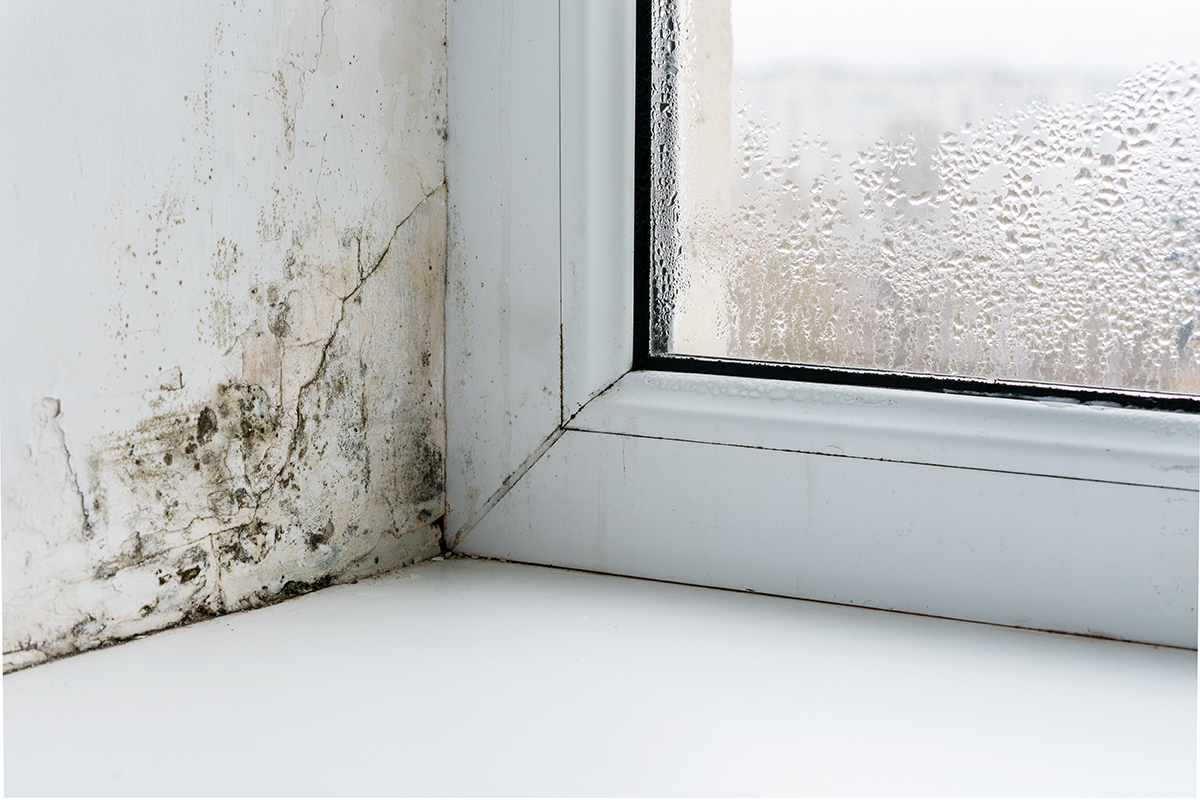
High humidity is one of the most common culprits behind hidden household problems. Once moisture levels rise above 60%, it creates the perfect environment for mold and mildew to thrive. These aren't just cosmetic problems—mold can damage walls, ceilings, and furniture, and pose serious health risks for people with asthma, allergies, or other respiratory conditions. Humid air can also take a toll on the structure of your home over time. Wood flooring, baseboards, and even framing can begin to warp, rot, or weaken. Dust mites, another common allergen, also love humid environments, which can make allergy symptoms worse. And if you've ever noticed a musty smell that lingers no matter how clean your home is, excess moisture could be the reason.
Dry air, on the other hand, brings its own set of challenges. When indoor humidity drops too low—especially common in the winter—it can dry out your skin, lips, and eyes. Many people also notice more throat irritation, dry nasal passages, and an increased likelihood of catching colds or sinus infections. Wood doesn't fare well in dry conditions either. It can shrink, crack, or become brittle, affecting everything from furniture and flooring to trim and doors. Low humidity can also lead to annoying static shocks and even damage to sensitive electronics.
The key to avoiding these problems is keeping your home's humidity levels in check. Ideally, indoor air should hold a relative humidity between 30% and 50%. Using a simple device like a hygrometer can help you track levels throughout the day. If your home is too dry, a humidifier can bring moisture back into the air. If it's too humid, a dehumidifier or improved ventilation—especially in areas like bathrooms, laundry rooms, and kitchens—can make a big difference. Even small changes can help maintain a healthier balance and create a more comfortable space to live in.